A Week in the Lot

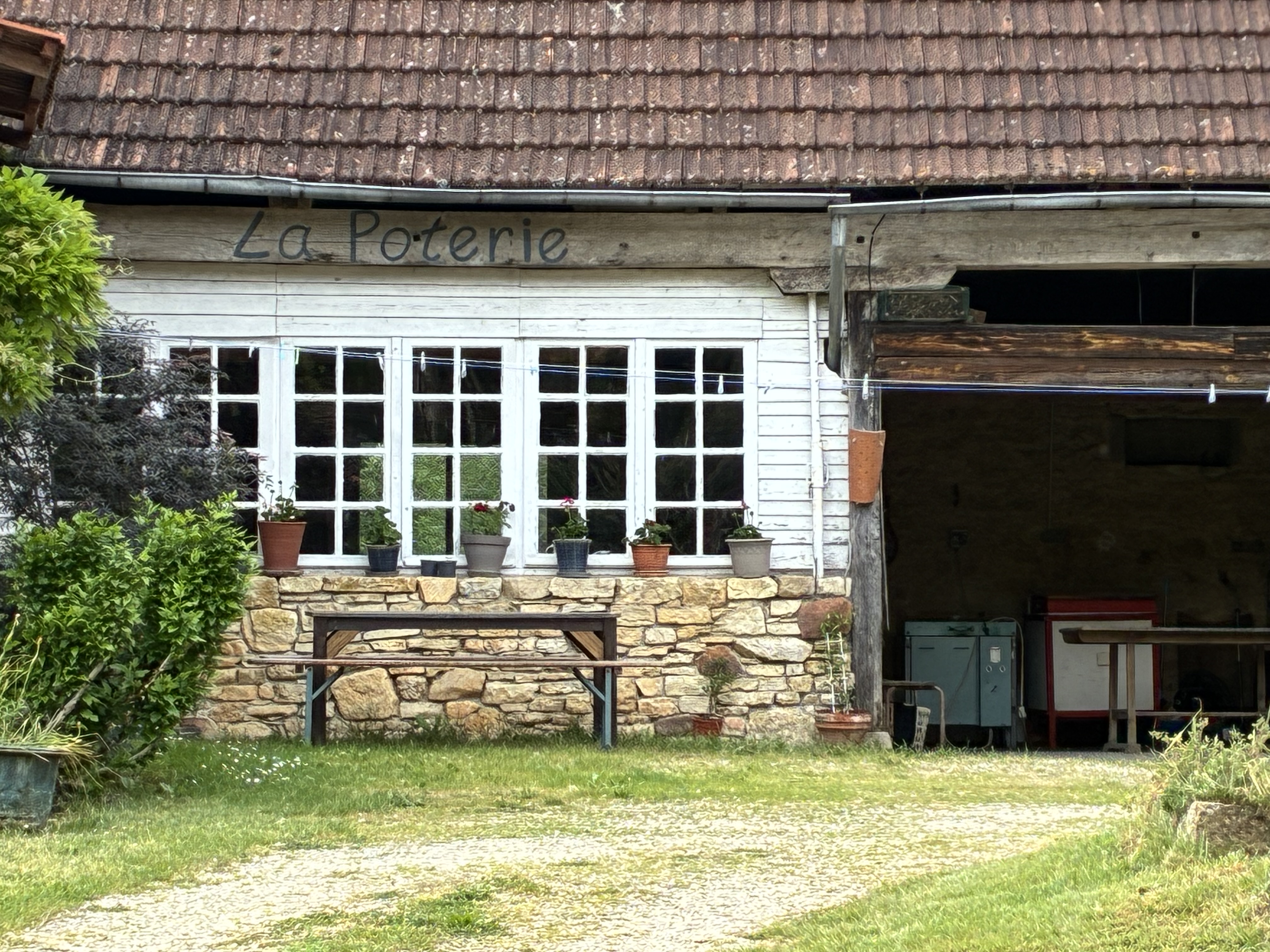
The Pottery at Mas Sarrat

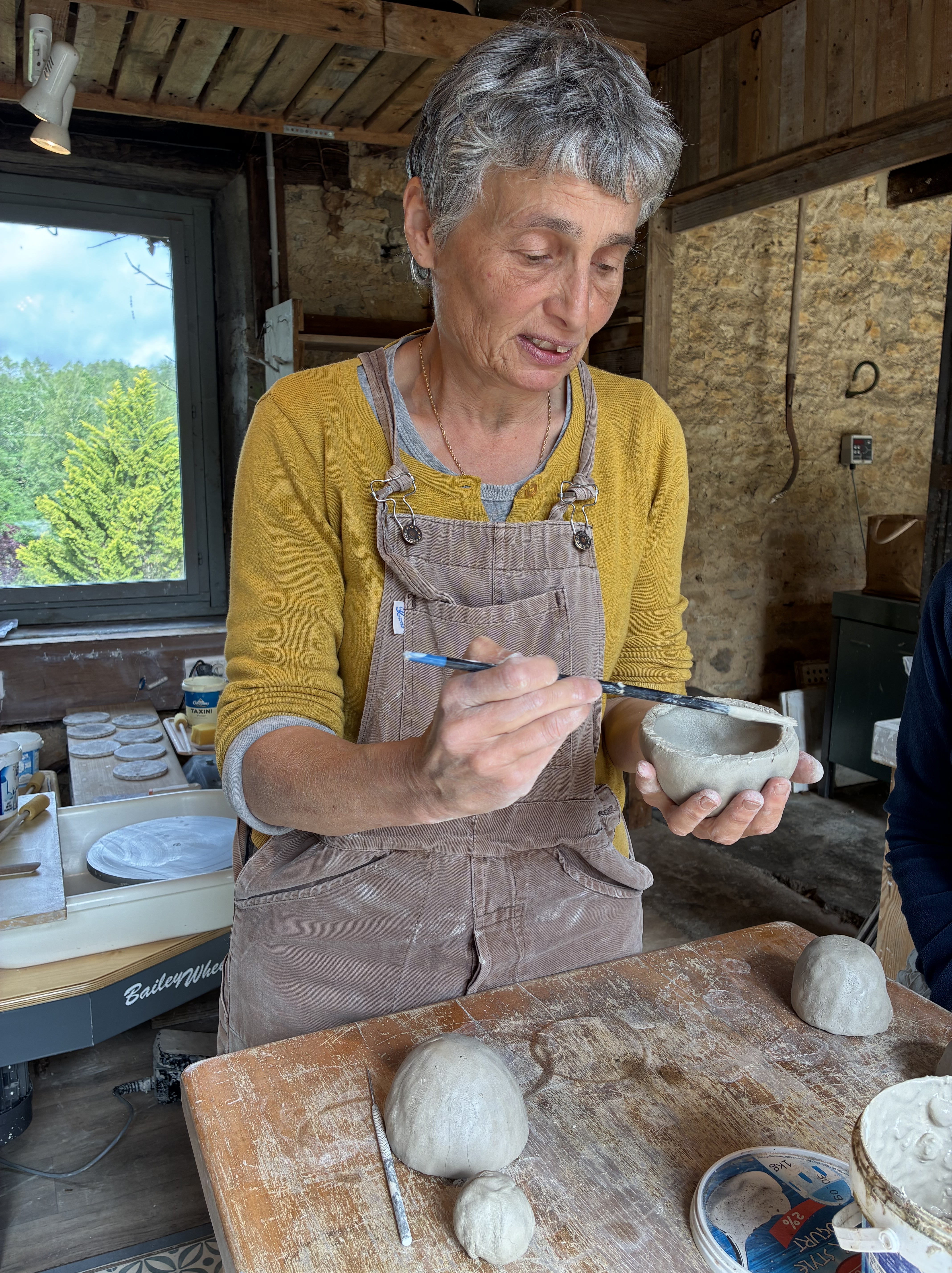
At the beginning of May I spent a whole week on a pottery course at Le Mas Sarrat, Lherm, in The Lot. It’s about a 3 hour drive from where I live in the South of France. I set off on the Sunday afternoon and arrived in good time to settle in to my little apartment and then join everyone, both those running the course and those attending as students, for a wonderful barbecue.
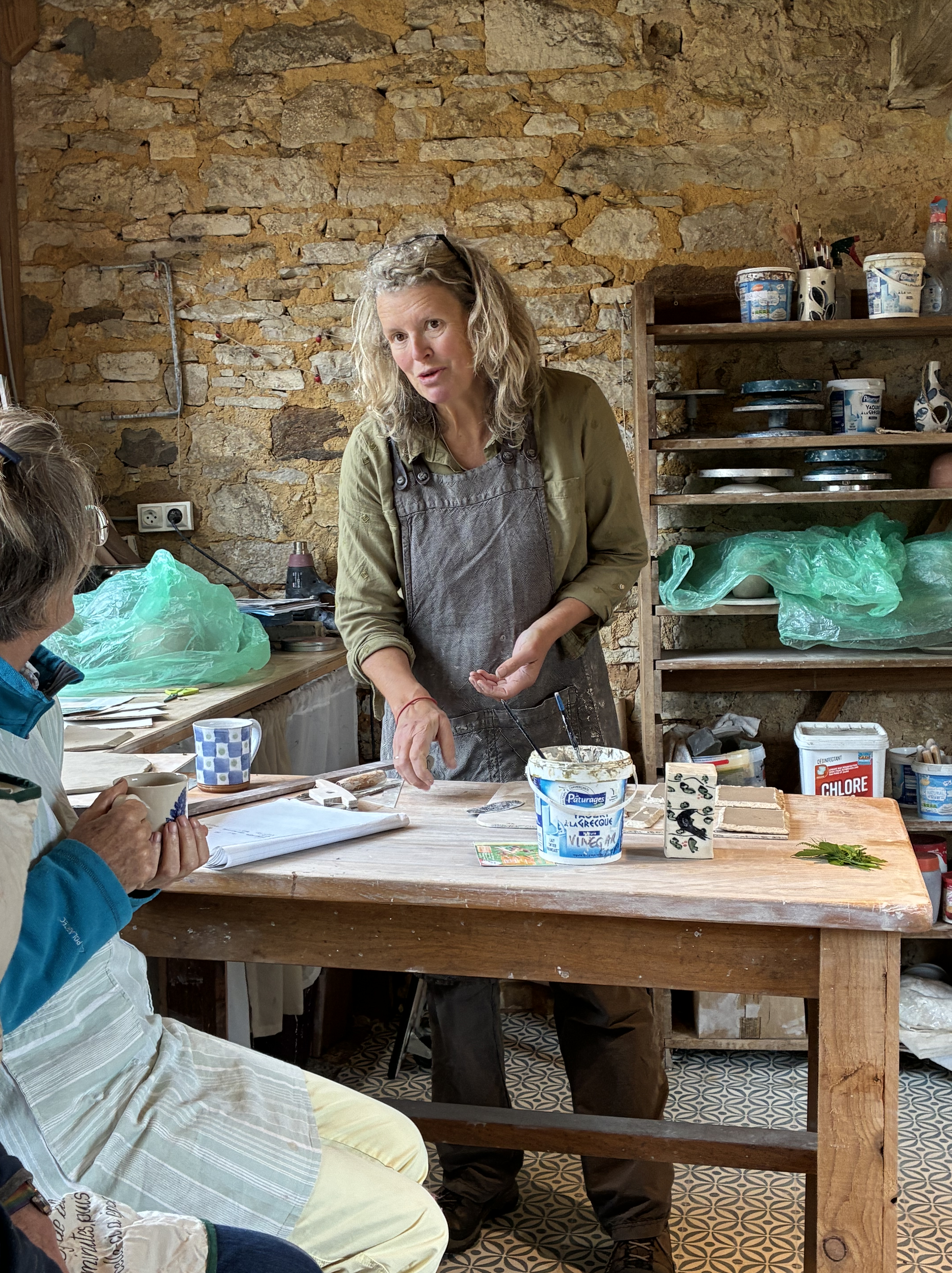
We were to have two tutors, Jennie Gilbert and Emily Myers you can read more about them if you click on the links. They are both very talented potters with different styles and I felt honoured that these two experts were happy to share so much knowledge with us.
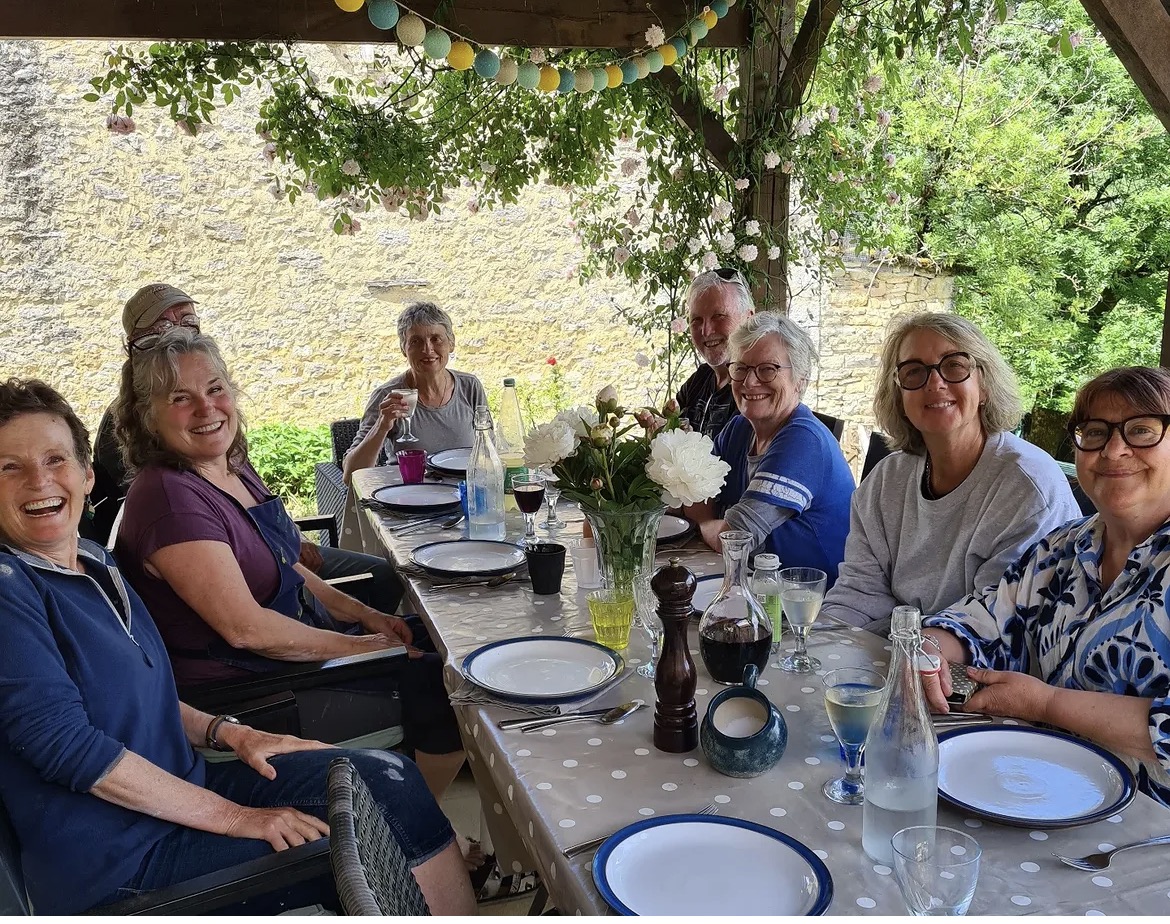
There were 7 of us on the course and we came from all over the world. A woman from Canada was attending with her best friend from England and another women from Australia was there with her best friend also from England. What a wonderful way to meet up and catch up from across the globe. Not sure how they managed to get their pottery back home though.

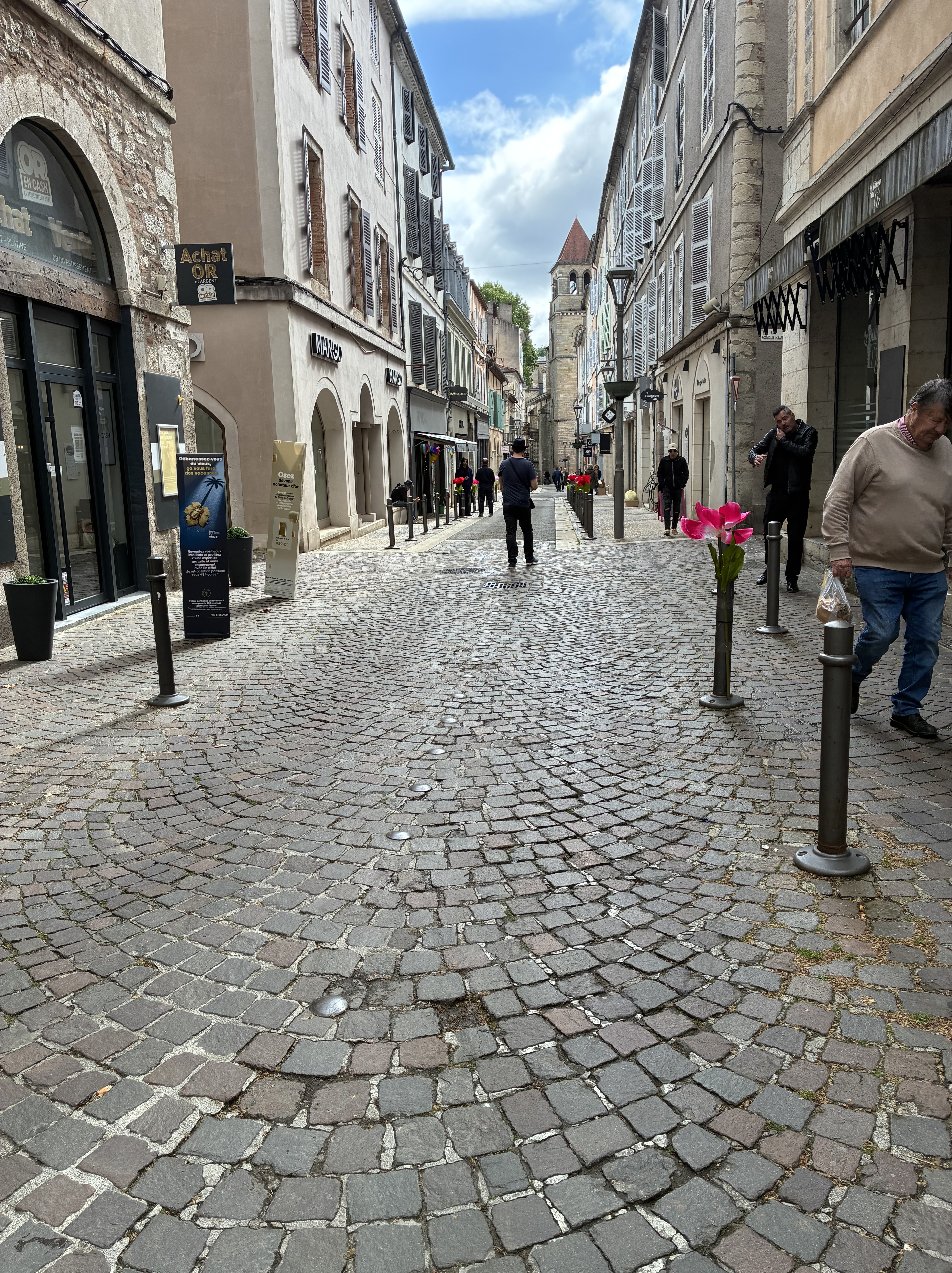
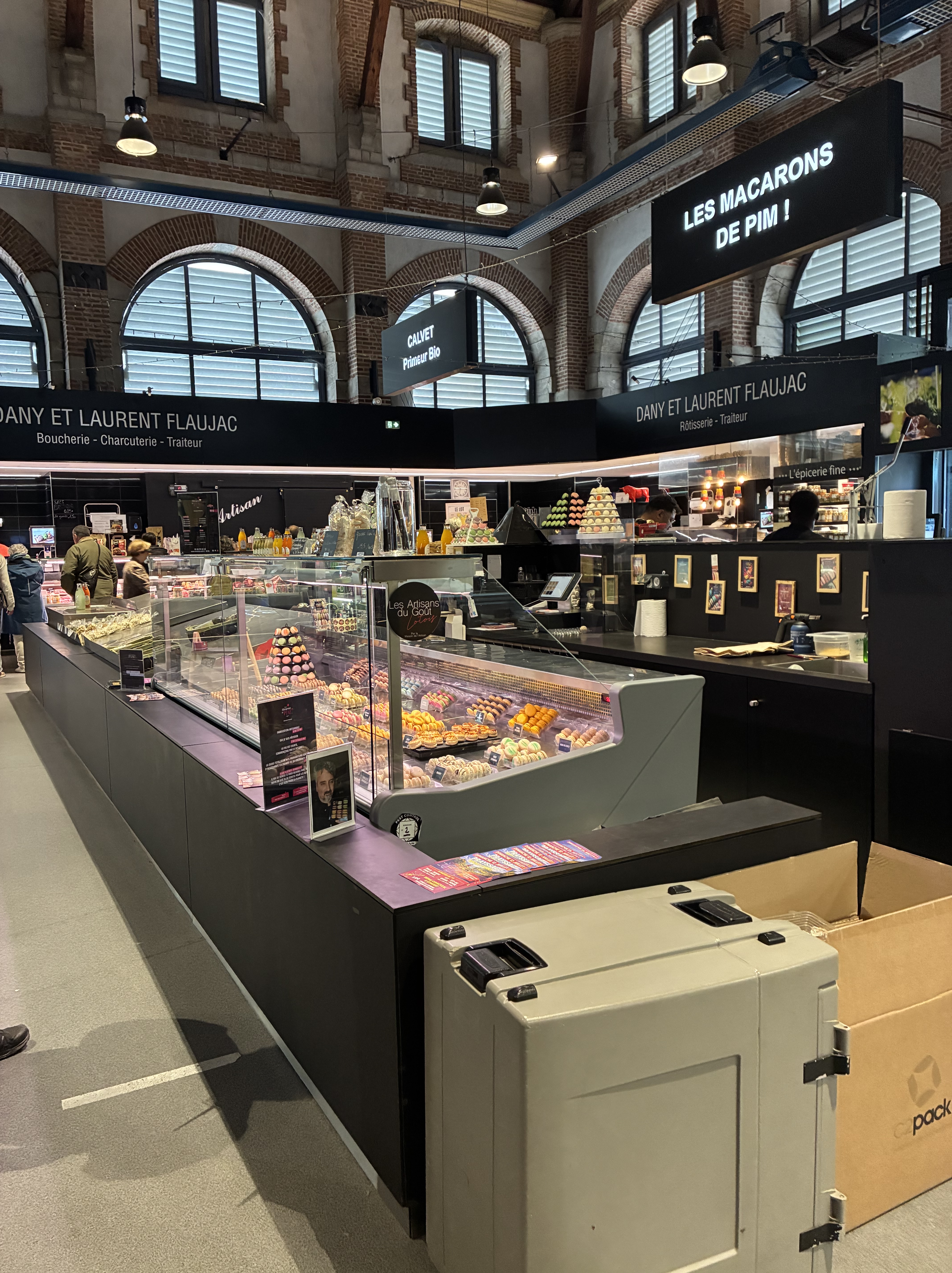
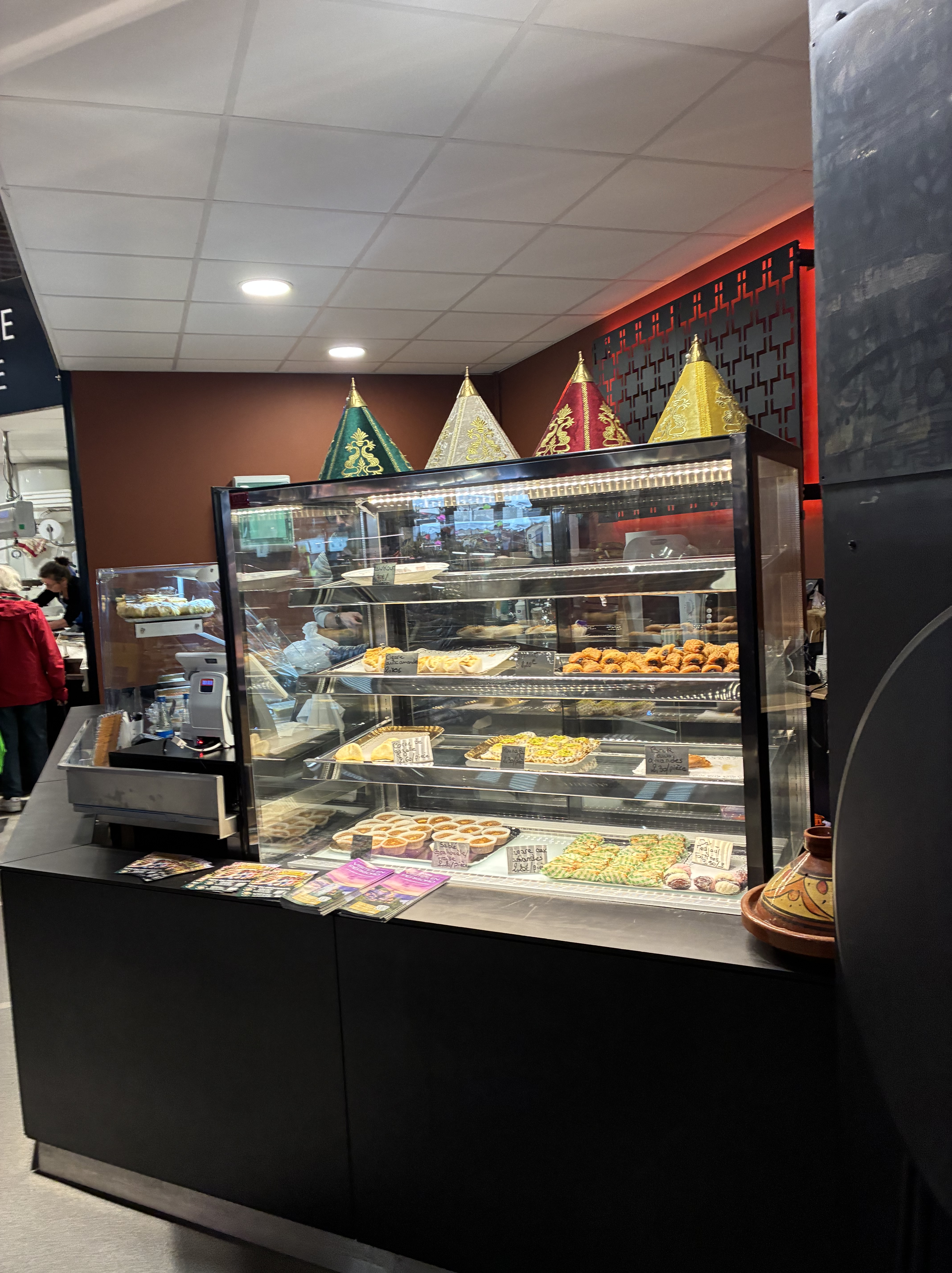
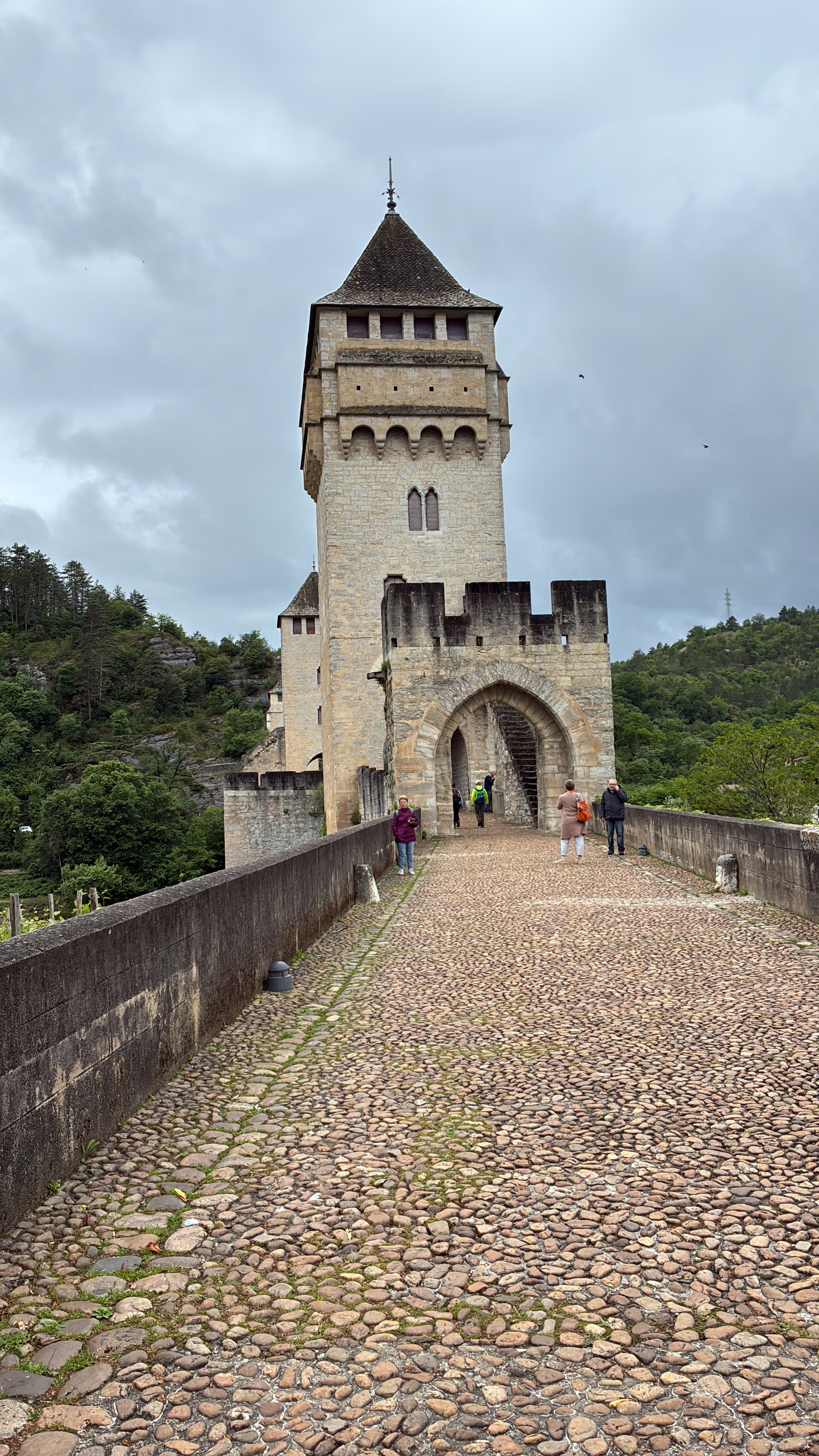
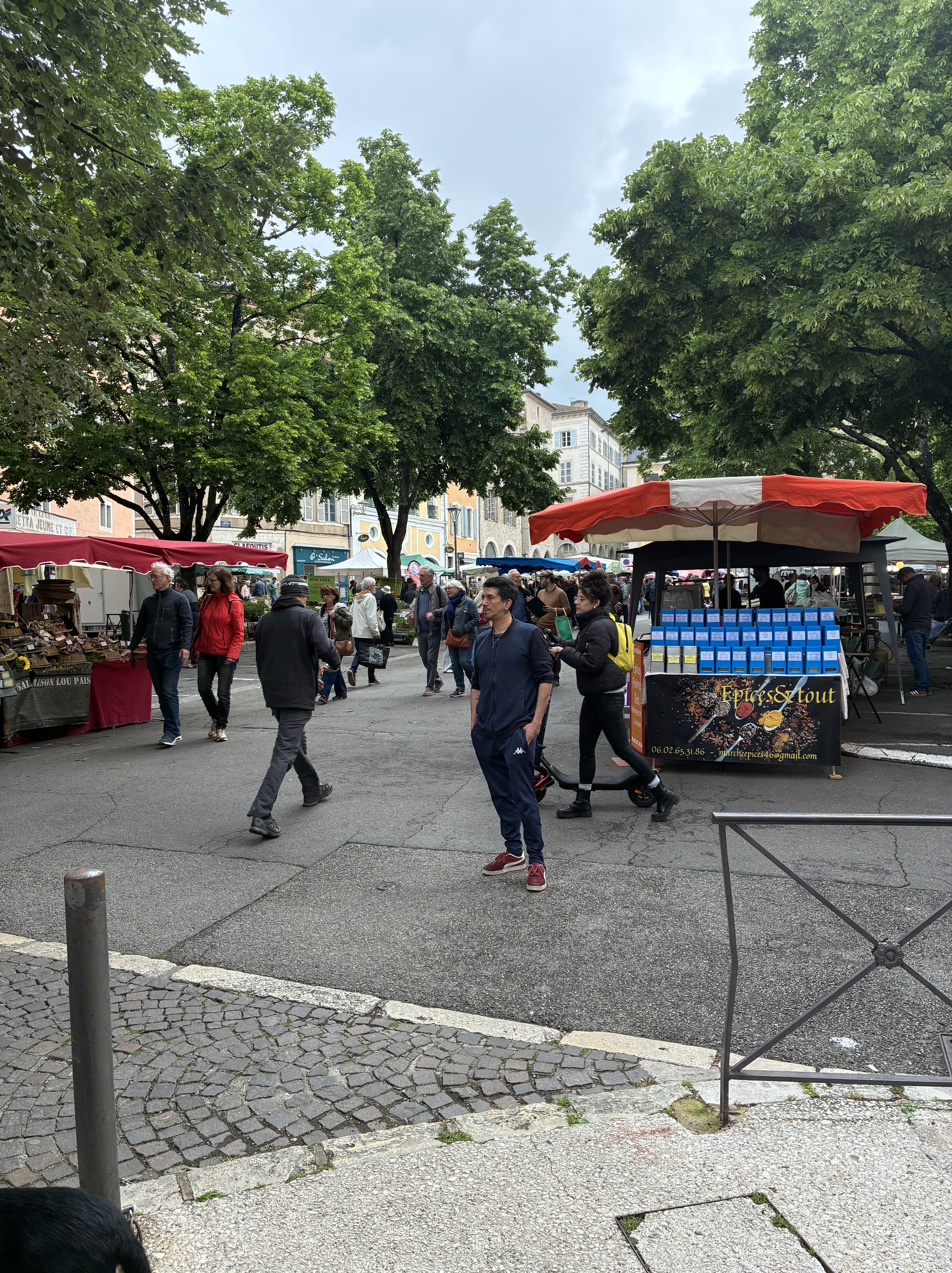
The course ran for 4 days — we had Wednesday to ourselves. We could work in the pottery on our own if we wanted to but I chose to go into Cahors and have a look around. Probably should have stayed back as a couple of weeks later I got a speeding ticket from Espère which was a small town I had driven through on my way to Cahors!

CAHORS
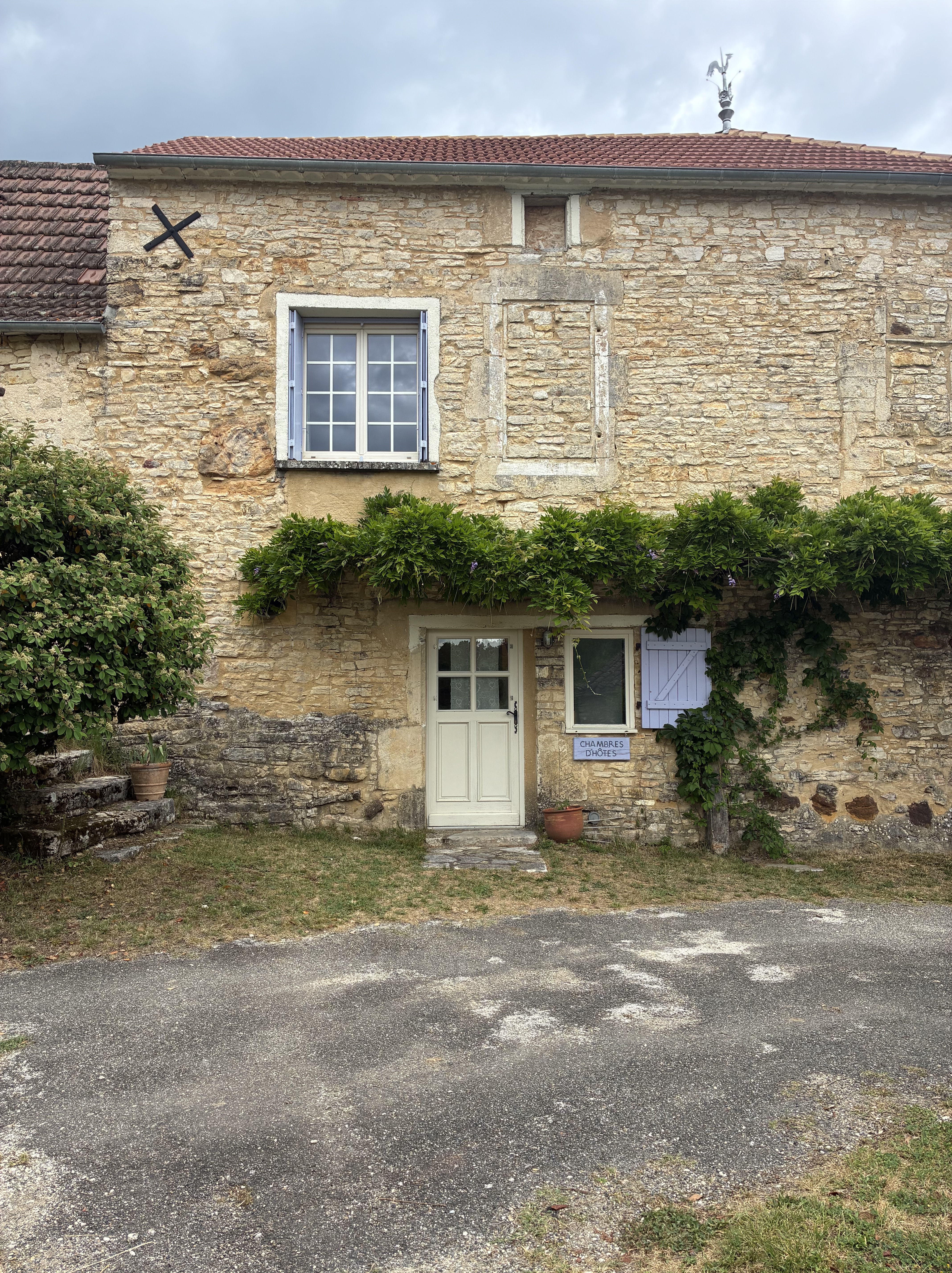
I had booked for bed and breakfast and we were given lunch each day as part of the course. The set-up at Le Mas Sarrat is wonderful. It’s a great place for a family holiday. Fiona runs the gites and the B&B and she is Jennie Gilbert’s sister. Fiona has lived in France for a long time and apart from being the most amazing cook speaks French fluently. I believe she also runs French immersion courses. But it is her sister Jennie who is the potter and she comes to Le Mas Sarrat a few times a year. Jennie also teaches in England and you can see that on her website HERE.

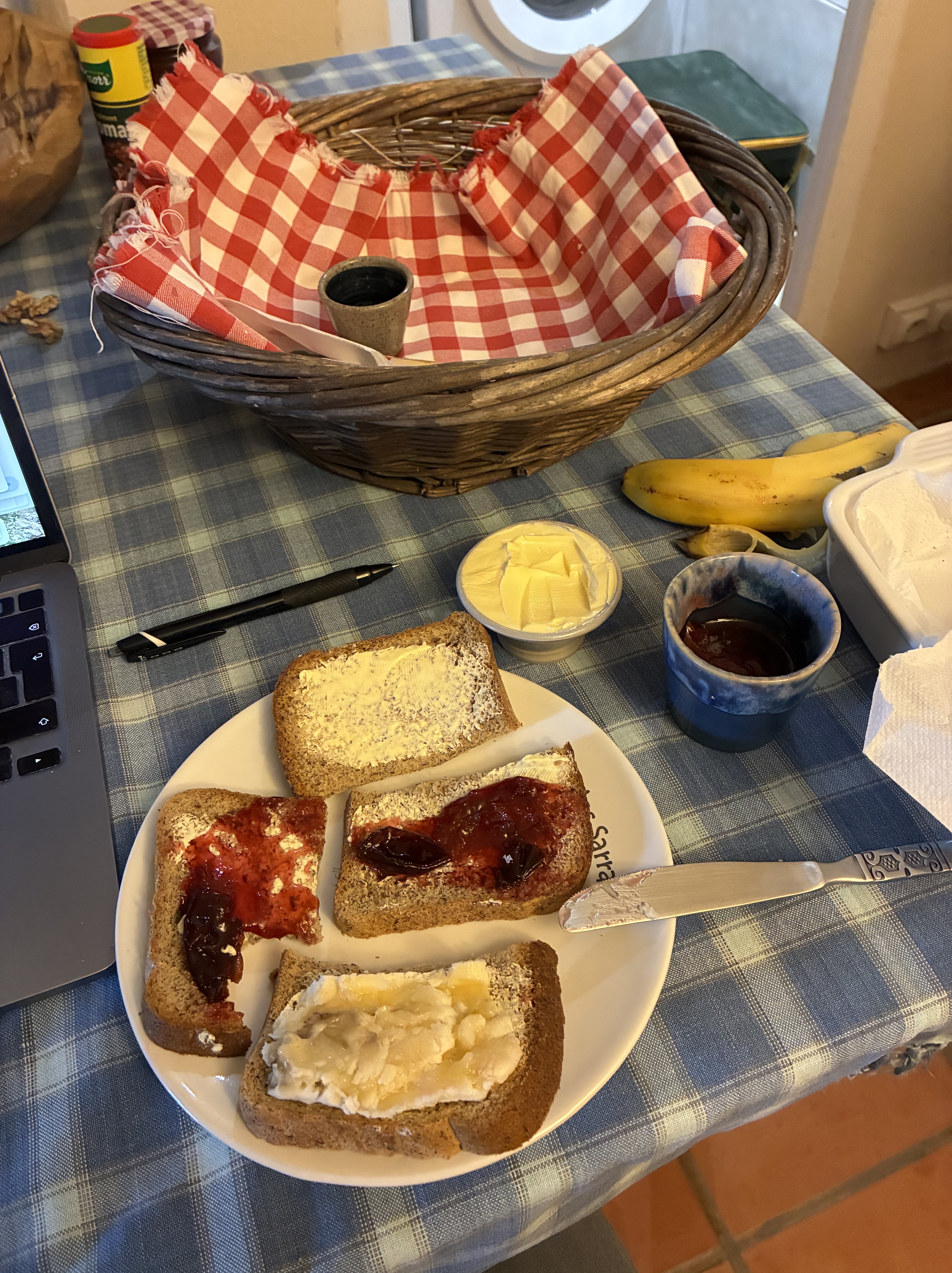
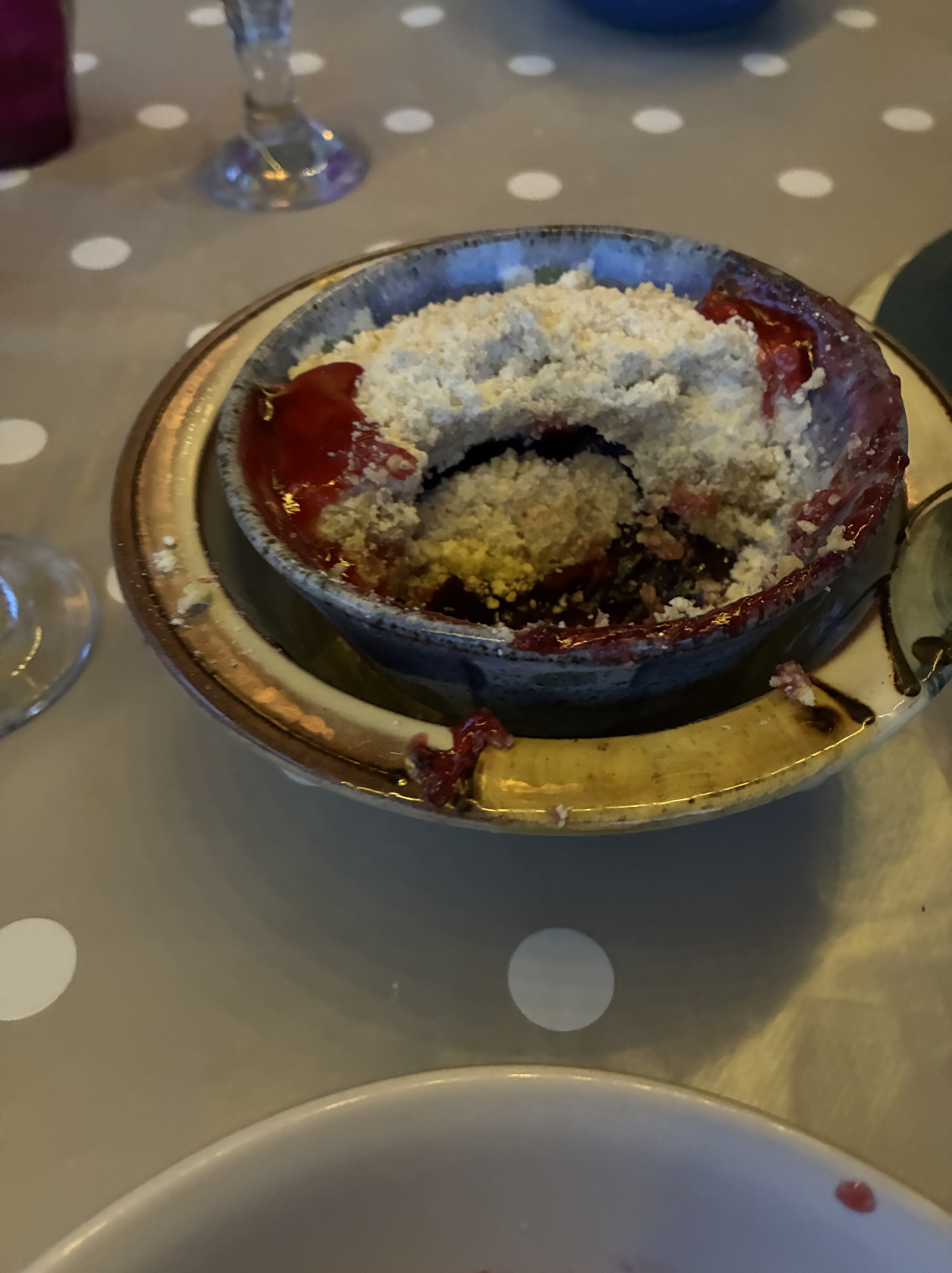
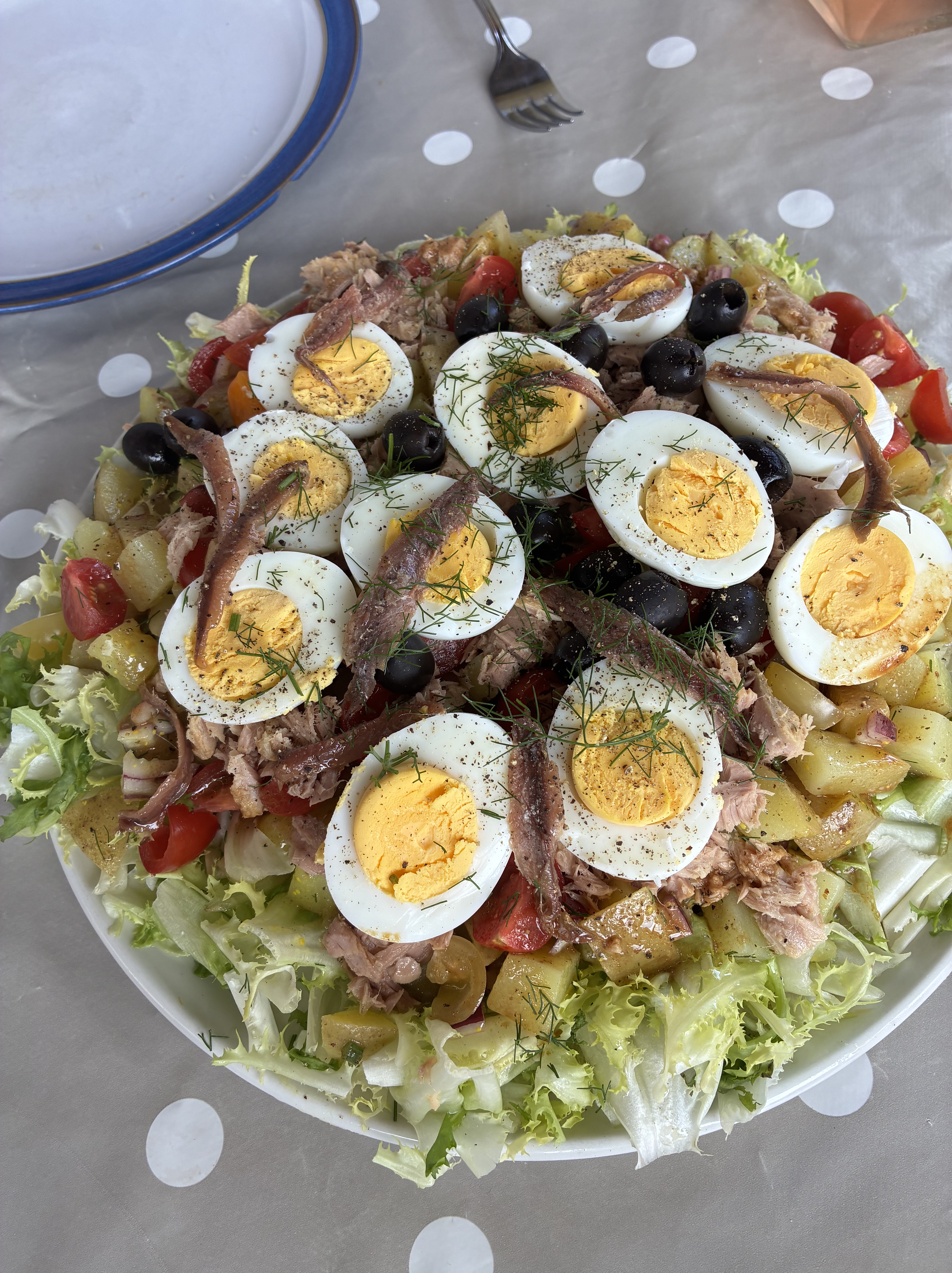
Below is just a very small sample of the food that we were served by the lovely Fiona. I am gluten and lactose intolerant and Fiona went out of her way to deliver the most delicious meals for me. We had home made soup each day and there was always the call of, ‘This one is for Ninette!’ How kind she was.
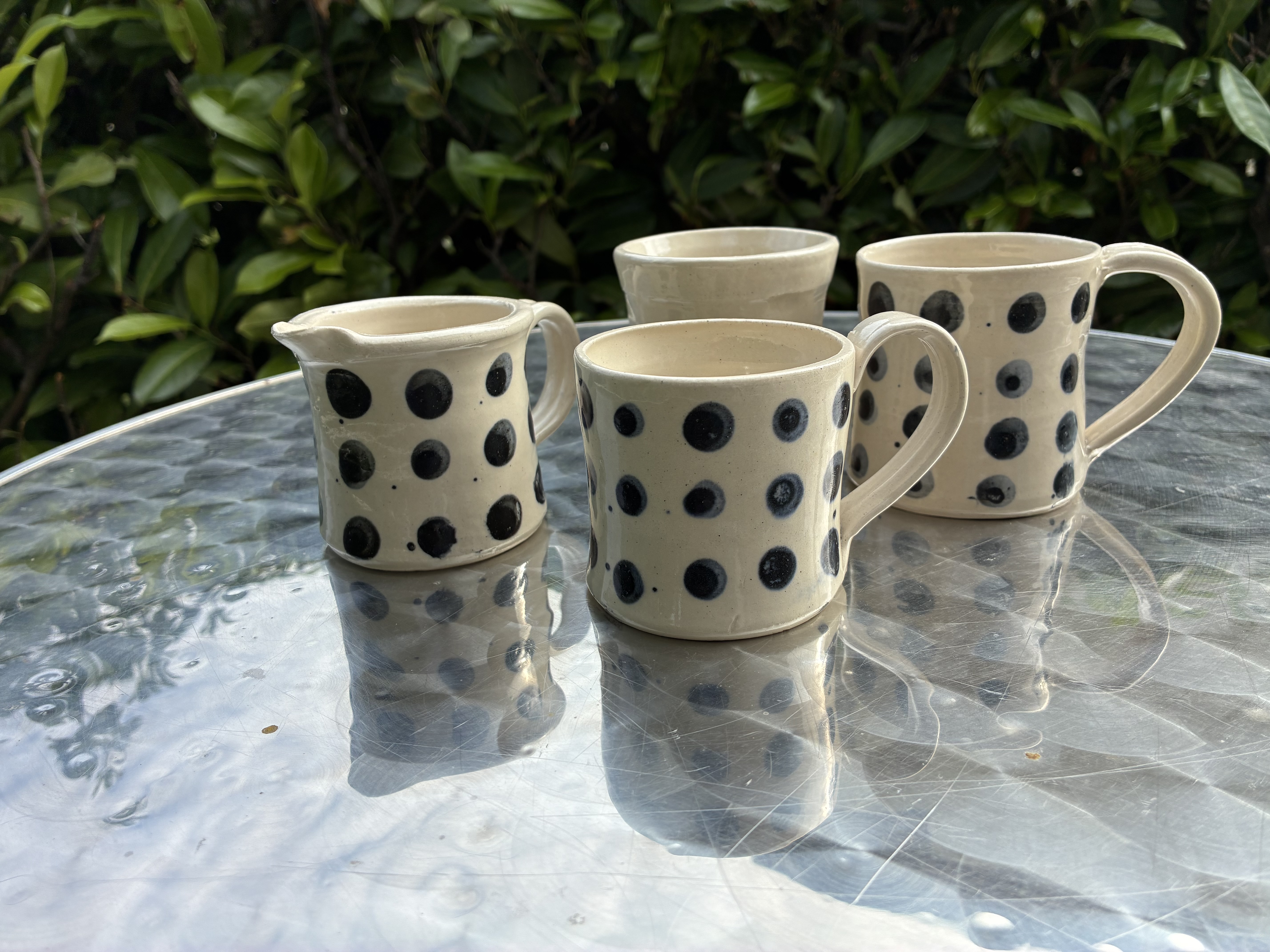
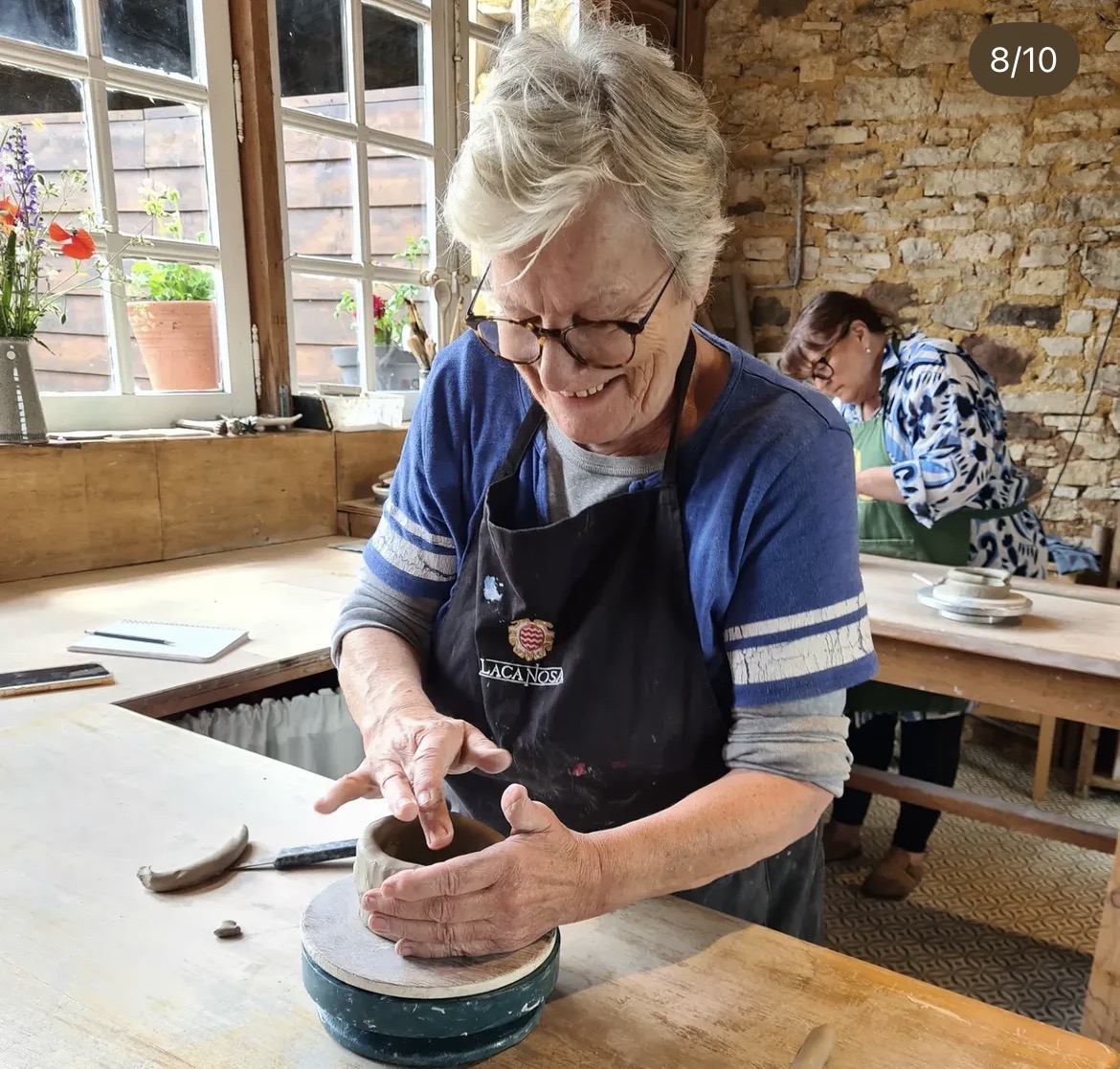
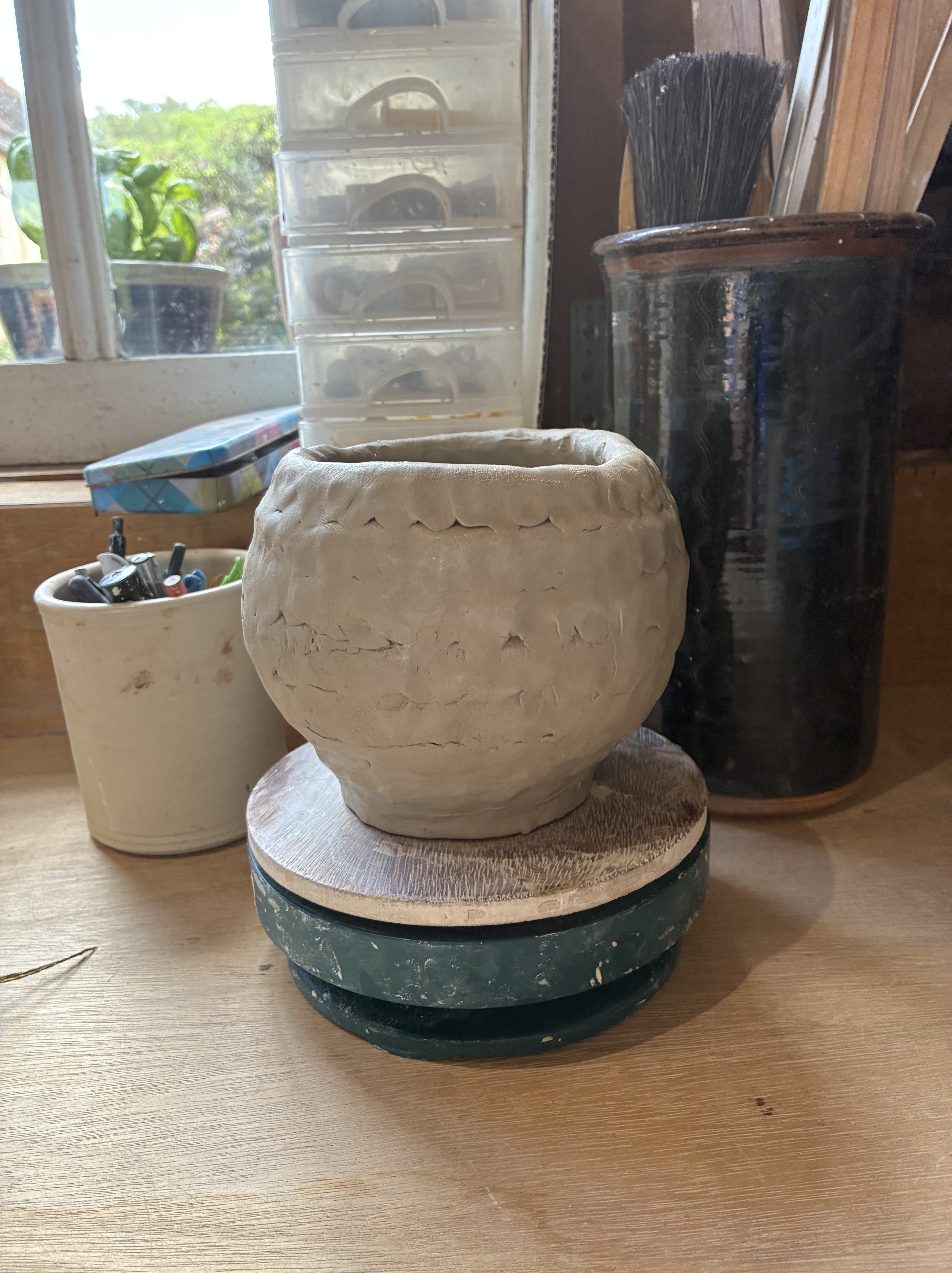
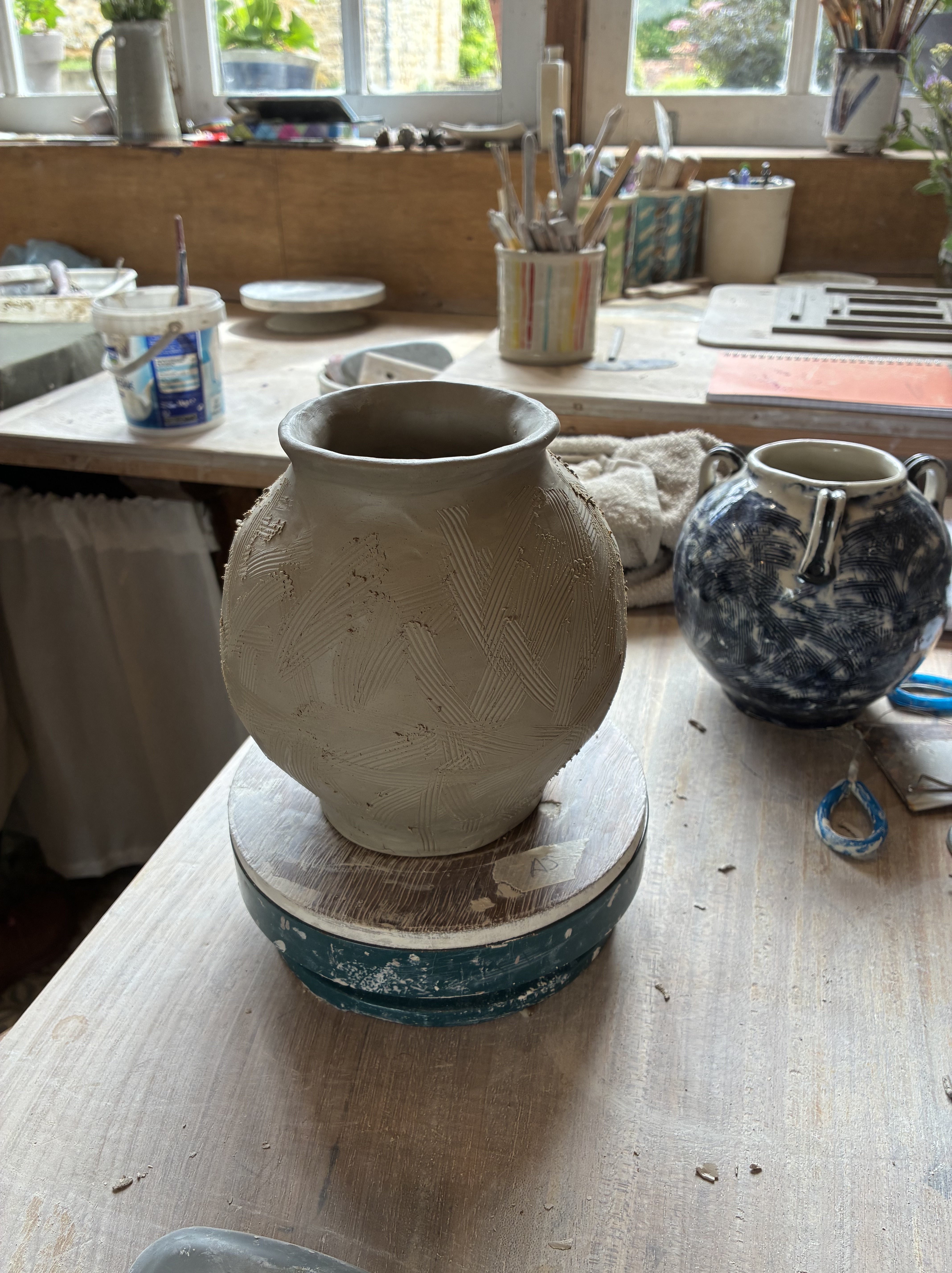
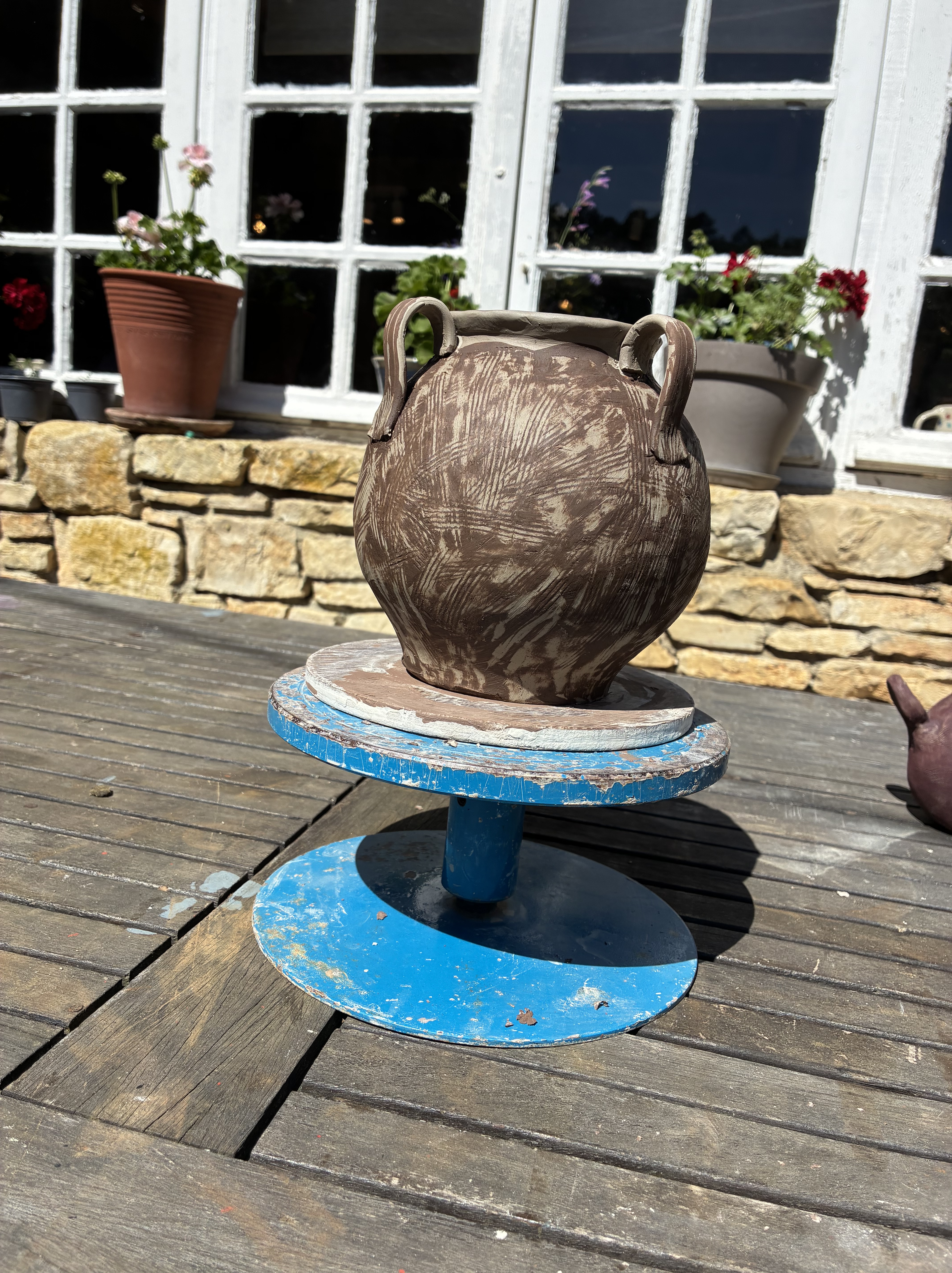
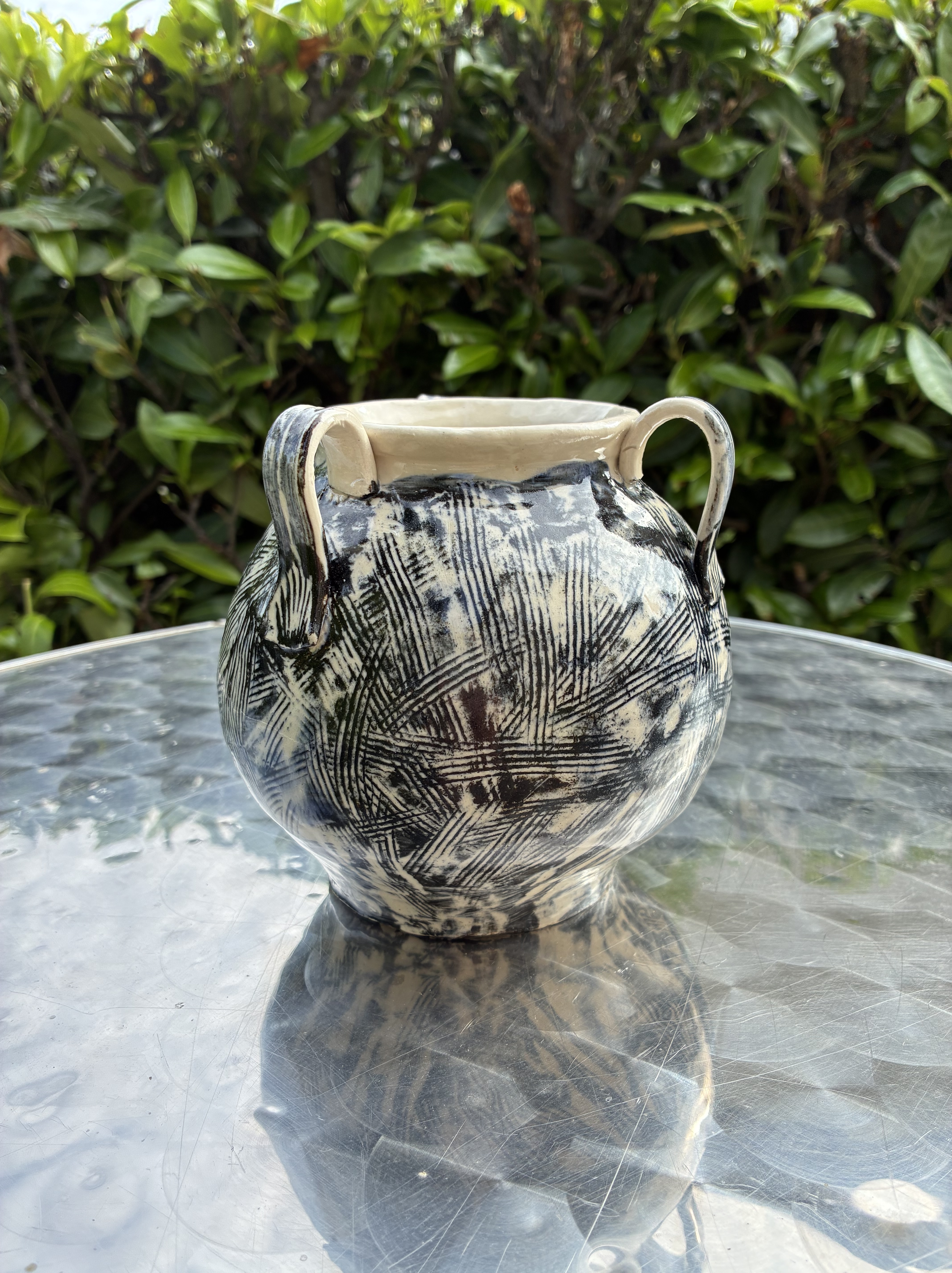
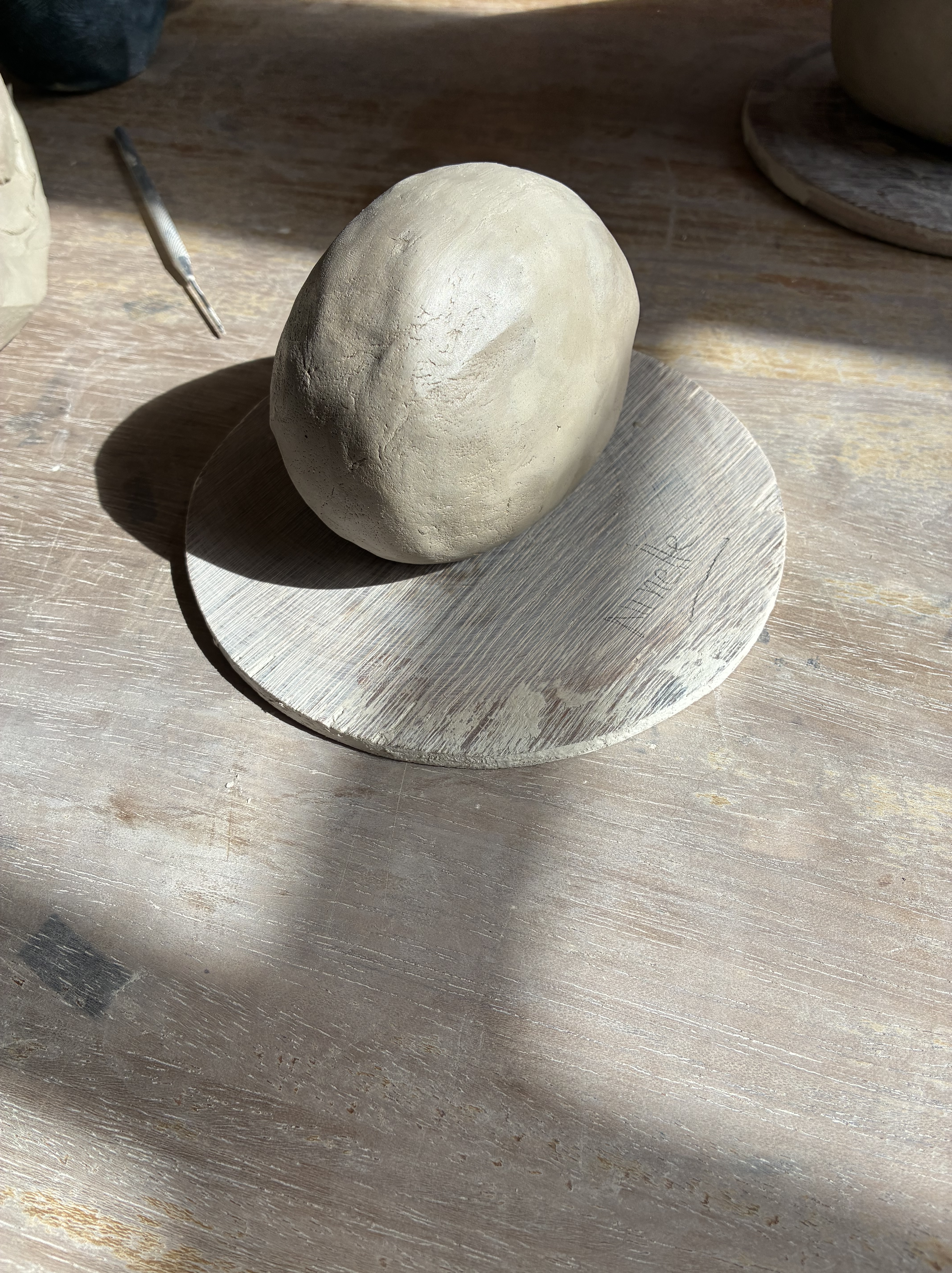
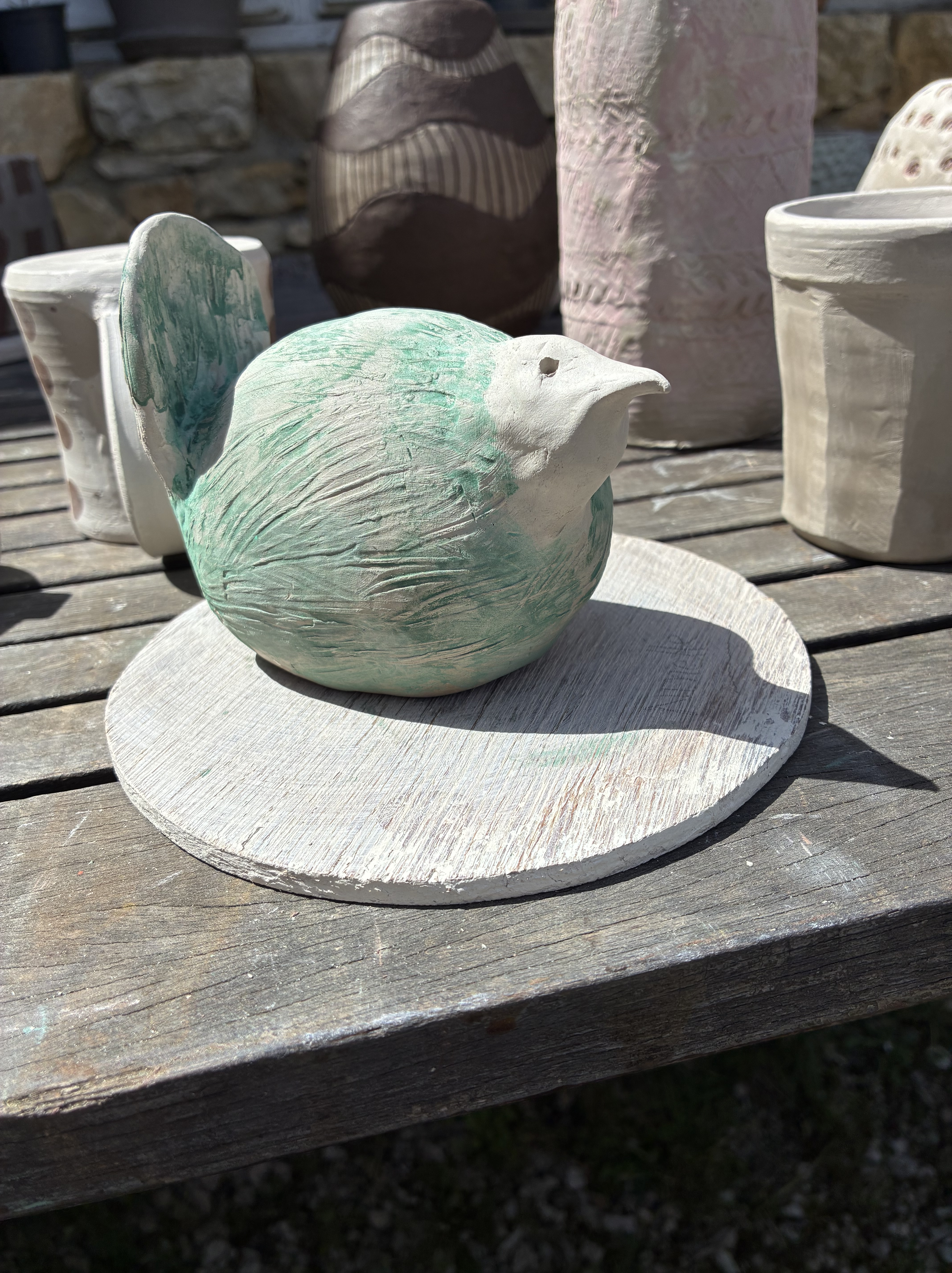
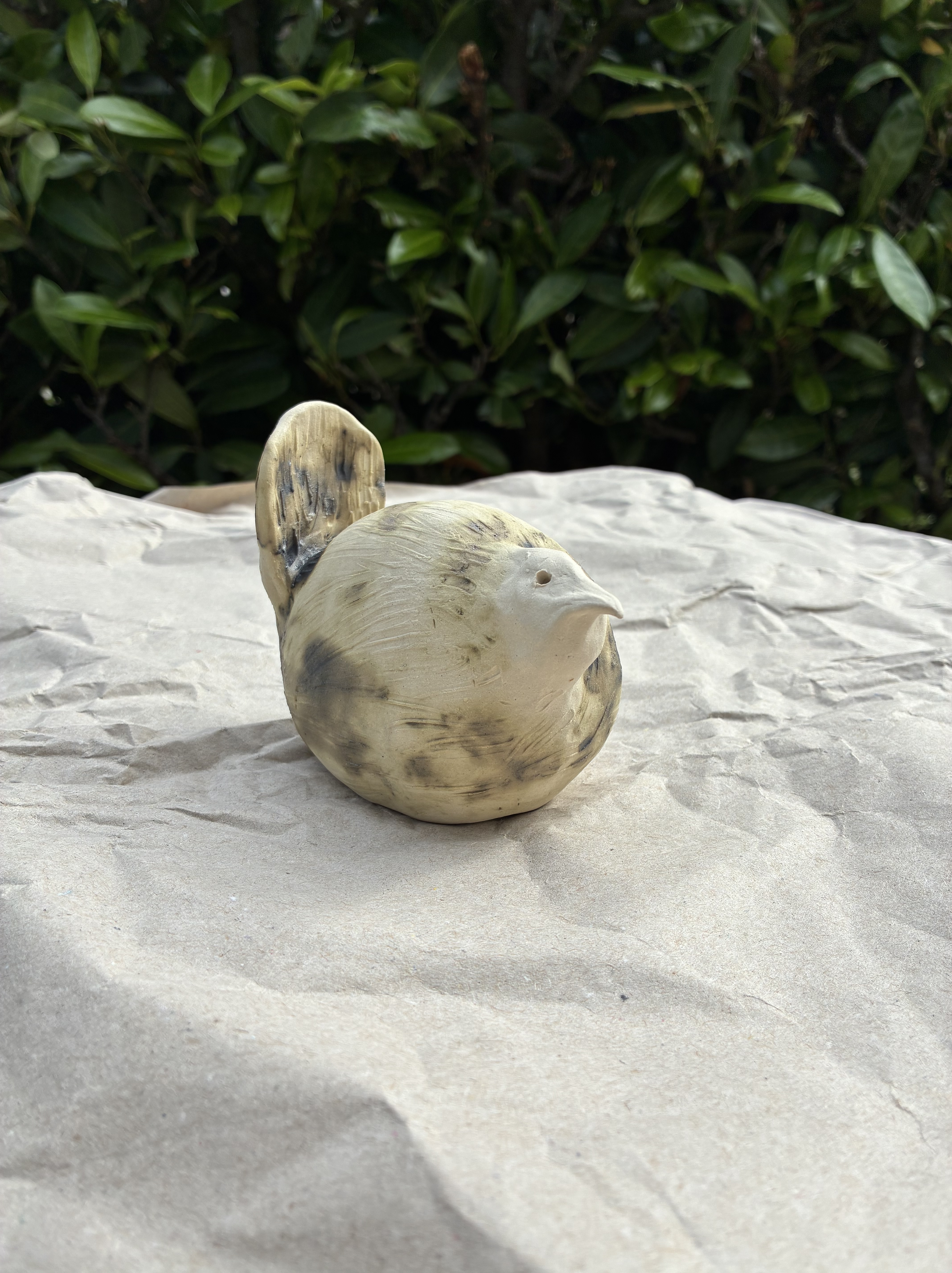
There are quite a few stages to making a pot, bowl or any item in pottery. You can handbuild with coils, slabs or pinching or you can throw on the wheel. The latter is the hardest thing to master, in my opinion of course. First you have to centre the pot on the wheel and if you can’t get on with that then the rest of the process is impossible. I enjoy all aspects of the make. I found I was quite good at ‘pulling’ handles but I’ve not tried again since the course and in my limited experience with clay, I reckon next time I won’t be able to do it at all! After the creation you then have to decorate with underglazes, glazes, oxides…there’s no end to what you can do. It was absolutely amazing how much all of us created in just four days.
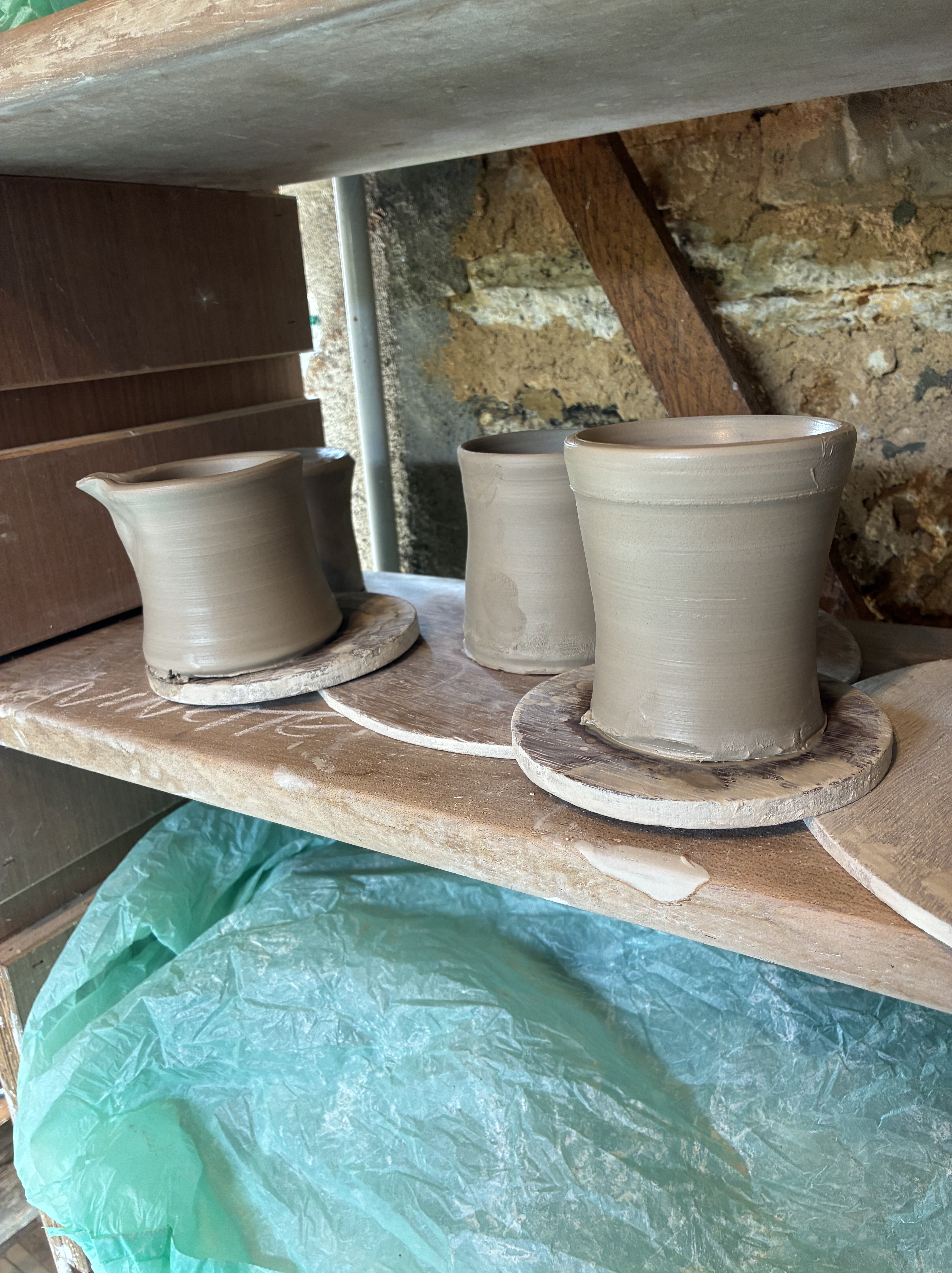
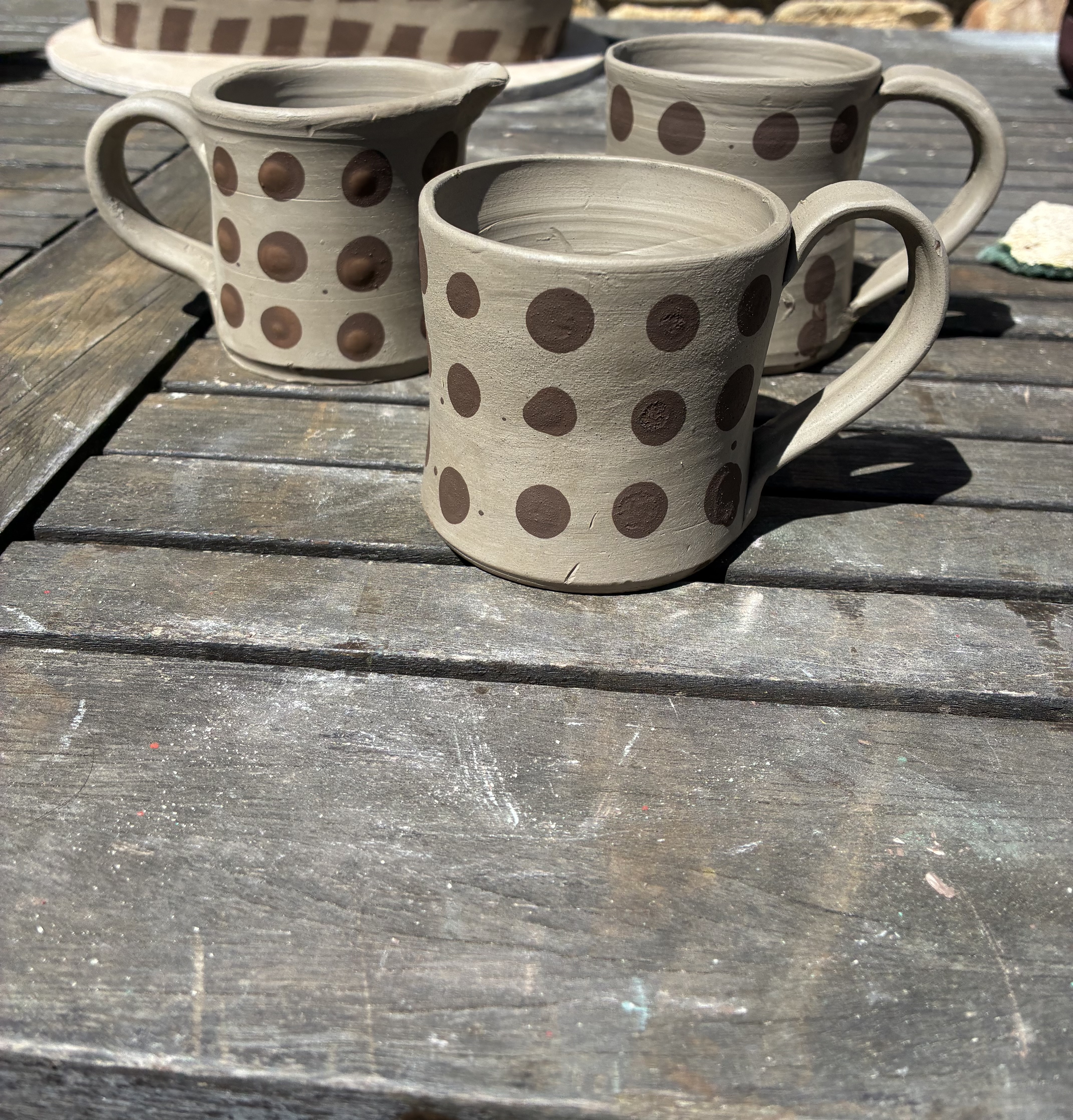
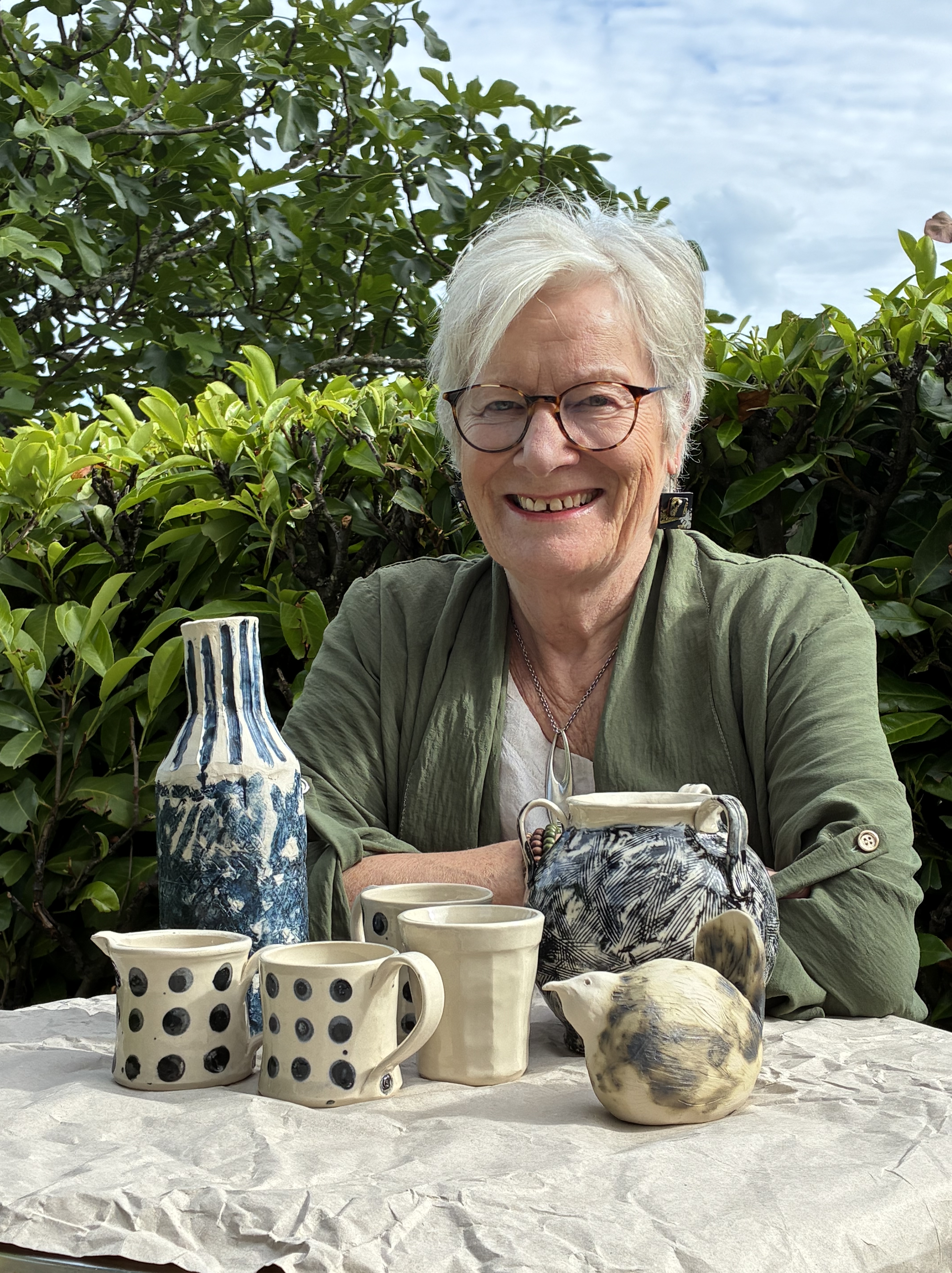
Me looking as pleased as punch with my creations. Not perfect but not bad for a beginner!

I cannot recommend Jennie and Emily highly enough. If you’re a beginner at this pottery lark then I suggest you sign up for a two-day or four-day course. You will learn so much and in such good company. I’m going back in October for two days and I cannot wait to get there. In the meantime, I’m putting into practice all that I learnt – at least I’m trying to!

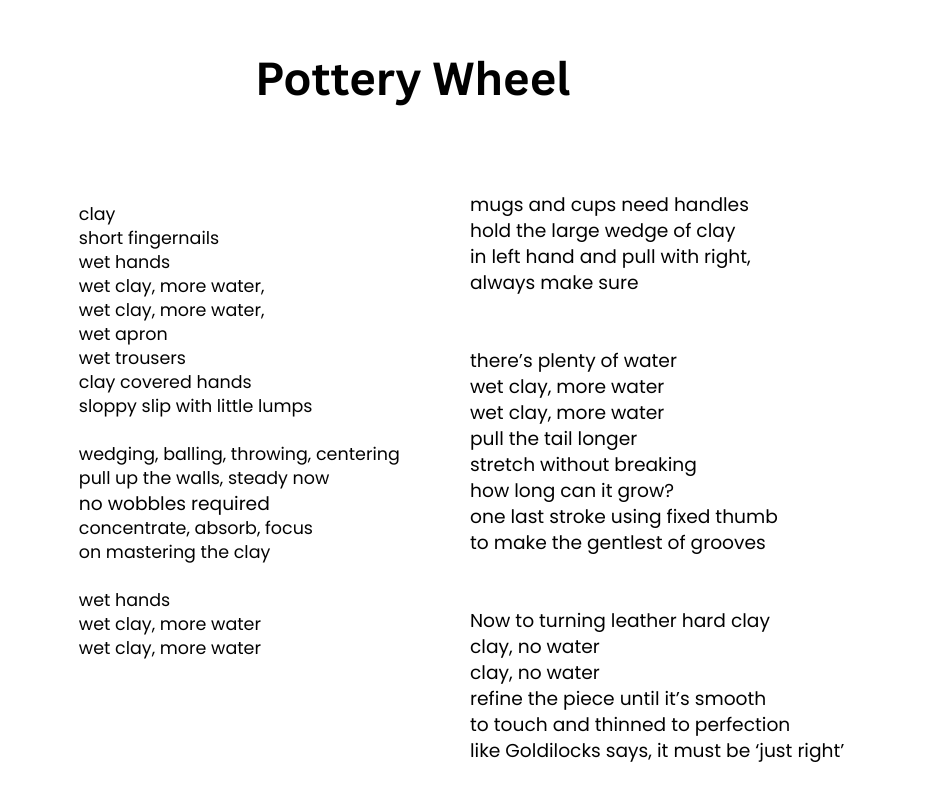
At the end of the week, I wrote a little poem. There’s a lot of water involved in pottery, especially on the wheel.
Note Number 1…The Great Fire of London…

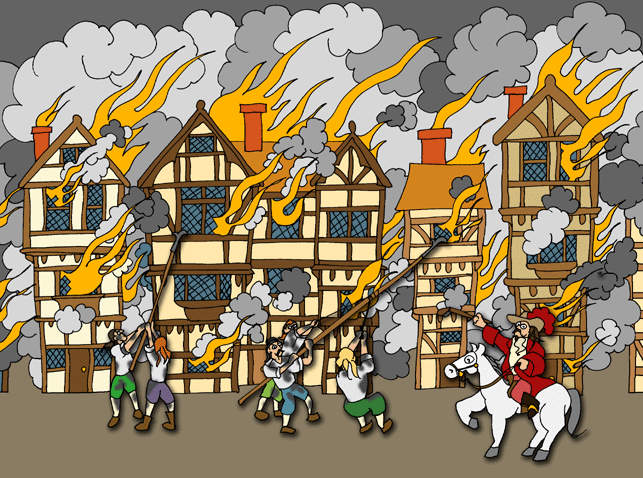
“In sixteen-hundred-and-sixty-six, London was burnt like a bundle of sticks”
fire_london_craven

Did you learn that rhyme at school?
Today is the 350th anniversary of that great fire and I think it fitting that I should start my new look blog with a mention of this disaster.

I remember being taught that although the fire was a terrible thing, it brought an end to the plague in London. There is an exhibition at the Museum of London see  here  for details and they have also launched an easy to follow website full of interesting facts and figures.

The fire started in a bakery in Pudding Lane and although many buildings and most of the city was burnt down, there is some controversy as to how many people lost their lives. The Guardian Newspaper has written a number of articles on the fire and this one says that only a handful of people died, less than a dozen in fact. However, this comment seems to have fired up a debate with a a reader’s letter suggesting that several thousand may have died.

As I look out of my window right now at the torrential rain, I can’t help thinking that if September 3 1666 had been like this I would not have been writing this blog!

Just for fun (with the help of The Man) I’ve compiled a timeline of interesting things that happened every 50 years since 1066. . .

1066 – William Conquered Harold at the Battle of Hastings – the start of our love/hate relationship with our neighbours across the way?
1116 – The Chinese start printing Books – well stitching the pages together anyway
1166 – Willem the Bad, King of Sicily died – Obviously a good thing for his subjects and Genghis Khan is only 3 years old – not such a good thing perhaps?
1216 – King John lost the Crown Jewels in the mud in the East Anglian fens – careless work John – see me!
1266 – Battle of Benevento. Effectively established the power of the Papacy in Southern Italy (not much else doing in 1266)
1316 – Great European Famine begins because of climate change and lots of rain – 2016 has been a bit like that in Dorset.
1366 – Rumblings of discontent in Southern France about English occupation and taxation lead to the restart of the Hundred Years war between England and France.
1416 – Dutch fishermen started using Drift nets – aren’t they trying to ban them now?
1466 – George Skanderberg from Albania defeats the Ottomans and becomes a Christian Hero – not many of them in Albania these days
1516 – Portuguese Explorers heading towards China from Indonesia
1566 – Chinese Emperor Jaijing accidently poisons himself in a search for an ‘everlasting life’ potion
1616 – Death of William Shakespeare. Dirk Hartog discovers Western Australia by accident.
1666 – Great Fire of London (3rd September)
1716 – The Austrians are drawn into the seemingly everlasting war with the Turkish Ottomans and defeat them at the Battle of Belgrade
1766 – First stirrings of “no taxation without representation” in the American Colonies and look where that led!
1816 – The ‘year without a summer’ because of airborne dust from the Tambora eruption which had occurred in 1815 reached the Northern Hemisphere, causing the worst of the 19th century famines. Krakatoa also erupted in 1816 adding to the problem
1866 – A Russian student tries to assassinate Tzar Alexander II, his government introduces repressive measures and strict control of the universities leading to a loss of respect for the Tsar and the Russian revolution 51 years later
1916 – Battle of the Somme
1966 – England won the World Cup in football…a disaster for Germany – for which they have taken revenge many times since.
2016 – Brexit . . . another love/hate situation? (see 1066)